If you handle a center or you have ever put on a fire warden hat throughout a discharge drill, you currently know that great purposes do not move people out of danger. Tranquil framework does. In Australia, that structure comes from an Emergency Control Organisation, set out under AS 3745, and the two country wide approved units that bring it to life are PUAFER005 and PUAFER006. The very first prepares wardens to operate as component of an emergency control organisation. The second prepares leaders to lead that organisation as chief warden or deputy. The training course codes appearance comparable, however the assumptions, responsibilities, and training end results are not the same.
I have beinged in a lot of post-incident debriefs where confusion regarding functions set you back minutes. Those minutes really felt long. Choosing the right training shortens them.
The two devices at a glance
PUAFER005 Run as part of an emergency situation control organisation is the common fire warden course for many work environments. It focuses on what to do when the alarm goes, exactly how to move and clear locations, exactly how to interact with the chief warden, and just how to move people to a setting up area. It builds muscle memory for wardens and flooring wardens.
PUAFER006 Lead an emergency situation control organisation is the chief warden course. It prepares you to take fee when points are untidy, coordinate wardens, liaise with emergency situation services, make discharge choices, and handle the event log and post-incident actions. If you wear the white helmet, or you might be handed that obligation, you require PUAFER006.
The simplest way to think of the difference is this: PUAFER005 has to do with implementing a strategy, PUAFER006 has to do with directing the plan and adapting it under pressure.
Where these programs suit the Australian framework
AS 3745, the essential criterion for planning for emergency situations in centers, establishes the Emergency situation Preparation Committee chief warden and the Emergency Situation Control Organisation. The EPC composes and preserves the emergency situation plan. The ECO, led by the chief warden, turns on that plan throughout an event. A lot of facilities designate a chief emergency warden, replacements, and location or floor wardens. That hierarchy has practical definition when a genuine event unfolds, whether it is an emergency alarm, a chemical spill, a medical emergency, or a bomb threat.
PUAFER005 maps to the warden duties. It stresses practical discharge jobs, communication methods, and safety checks. PUAFER006 maps to the chief warden and replacement duties. It stresses management, decision making, and sychronisation, including when the strategy is incomplete or the circumstance alters mid-evacuation.
Not every workplace will run a discharge every month, however every office that brings the general public or groups into a structure has duties under WHS laws to handle emergency situation threats. Part of those responsibilities is ensuring your wardens and primary wardens receive ideal training. Numerous insurance firms anticipate it. Major websites audit it.
Who needs PUAFER005 Run as component of an ECO
If you are appointed as a fire warden, flooring warden, area warden, or you consistently help with emptying drills, PUAFER005 is the appropriate beginning factor. The device covers the nuts and screws of warden training, not simply fire warden training. Genuinely, the majority of cases are not fires, so the program covers a wider collection of situations: alarms and system mistakes, medical occasions, power blackouts, small spills, and safety threats alongside fire response.
In a normal PUAFER005 course you can anticipate to practice:
- Recognising alarms and emergency situation caution systems, using interior phones, radios, and warden intercom points, and passing on clear messages to the principal warden. Performing an area sweep, including inspecting spaces, shutting doors, handling mobility-impaired occupants, using search pens, and reporting an all-clear. Operating as a team, staying within the pecking order, and following the emergency situation strategy while utilizing situational judgment when the strategy does not fit the moment.
You will not be asked to play hero. PUAFER005 does not teach you to fight fires beyond the standard use of a portable extinguisher when safe to do so, and many companies deal with extinguisher usage as a different, add-on component. The course focuses on safe, orderly emptying and liability for people. That is the essence of a fire warden course.
A fast note on usefulness. Fire warden training requirements vary by building danger account, but a typical tempo is to freshen PUAFER005 every 2 years, with shorter internal refresher courses in between. chief warden uniform hat If you have high turnover or you run public occasions, yearly refresher courses are smarter.
Who requires PUAFER006 Lead an ECO
If the title on your door checks out facilities manager, building supervisor, site manager, health and safety manager, or you are the person everyone anticipates to take fee throughout an evacuation, your course is PUAFER006 Lead an emergency control organisation. The difference shows up the very first time the alarm system panel shows 2 competing zones or smoke in the filling dock causes a second emptying mid-event.
PUAFER006 develops expertise in:
- Leading an ECO under reasonable time pressure, including designating wardens, establishing priorities, and switching approaches when brand-new details arrives. Making evacuation choices. Full evacuations are not constantly the first choice. Partial discharges or defend-in-place strategies can be much safer in some centers. PUAFER006 teaches when and how to use them. Liaising with emergency solutions, giving concise situational updates, turning over the case log, and following their directions without blowing up of your website responsibilities. Managing post-incident actions: debriefing the group, recording lessons learned, upgrading the emergency plan and representations, and advising modifications to the EPC.
Chief warden obligations expand beyond the day of the event. A good chief fire warden shapes drills so the team finds out as opposed to simply ticks a box. That consists of preparing a circumstance that in fact examines the stairwell traffic jam you found last time.
In lots of workplaces, the chief warden requirements consist of holding PUAFER006 plus prior or concurrent conclusion of PUAFER005. Some training suppliers bundle both so you can step up or down as needed.
What each training course anticipates from you
PUAFER005 assumes you can adhere to guidelines, connect clearly, and move safely around your location. It suits team across all divisions. If you work part-time, it still makes sense due to the fact that emergency situations do not maintain office hours.
PUAFER006 assumes you can keep a great head while 3 conversations happen simultaneously. You will certainly manage radio web traffic, alarm panel codes, warden reports, and passenger behaviour. Educating scenarios commonly simulate simultaneous problems: a blocked departure, a person that rejects to leave, a lift that stops between floorings, a service provider unaccounted for. If the weight of that seems acquainted from your day task, this course fits you.
Both programs are nationally certified and supplied by registered training organisations. Analysis generally consists of written inquiries and sensible scenarios. Trainers worth their cost will certainly adjust those circumstances to your site layout and dangers rather than run generic drills.
Fire warden needs in the workplace
Every work environment should have a documented emergency situation plan, emptying representations, and an ECO sized to the building. For a multi-storey office, a practical policy is one warden per tenancy floor, with replacements to cover leave and shift modifications. For a storage facility, you may require wardens for each area plus a person at the front gateway collaborating truck motions throughout a discharge. Retail and medical care sites usually need more protection because public movement is more difficult to control.
Fire warden needs do not stop at appointment. Wardens need radio access and to know where emergency situation equipment sits. They should recognize discharge courses and the different course if a stairwell is obstructed. They ought to recognize who the mobility-impaired owners are, and the process for managing them safely.
Your emergency warden training should align with the specific structure functions. If your site has a Vesda system, a gas suppression system in the web server area, or complex accessibility control, your warden course ought to cover what happens when those systems activate. A fundamental summary is not enough.
Colours, hats, and why they still matter
People often laugh concerning warden and chief warden hat colours up until the power cuts and the lights drop to emergency situation setting. Visibility issues when individuals fear. A lot of Australian offices follow this easy colour code:
- Chief warden hat or safety helmet: white, typically with the title published front and back.
Ordinary wardens wear red. Communications police officers typically wear yellow. Other local variations exist, yet white for the chief warden and red for wardens is common enough that both team and going to firemens will acknowledge it. If your group makes use of vests instead of helmets, stick with the same colour logic. When someone asks what colour helmet does a chief warden wear, one of the most useful response is white, and keep it constant in your website kit.
What you actually do on the day
The gap in between training and technique appears when the alarm system appears during a client presentation or halfway with a shift change. A quick image from a distribution centre shows how the units split in real life.
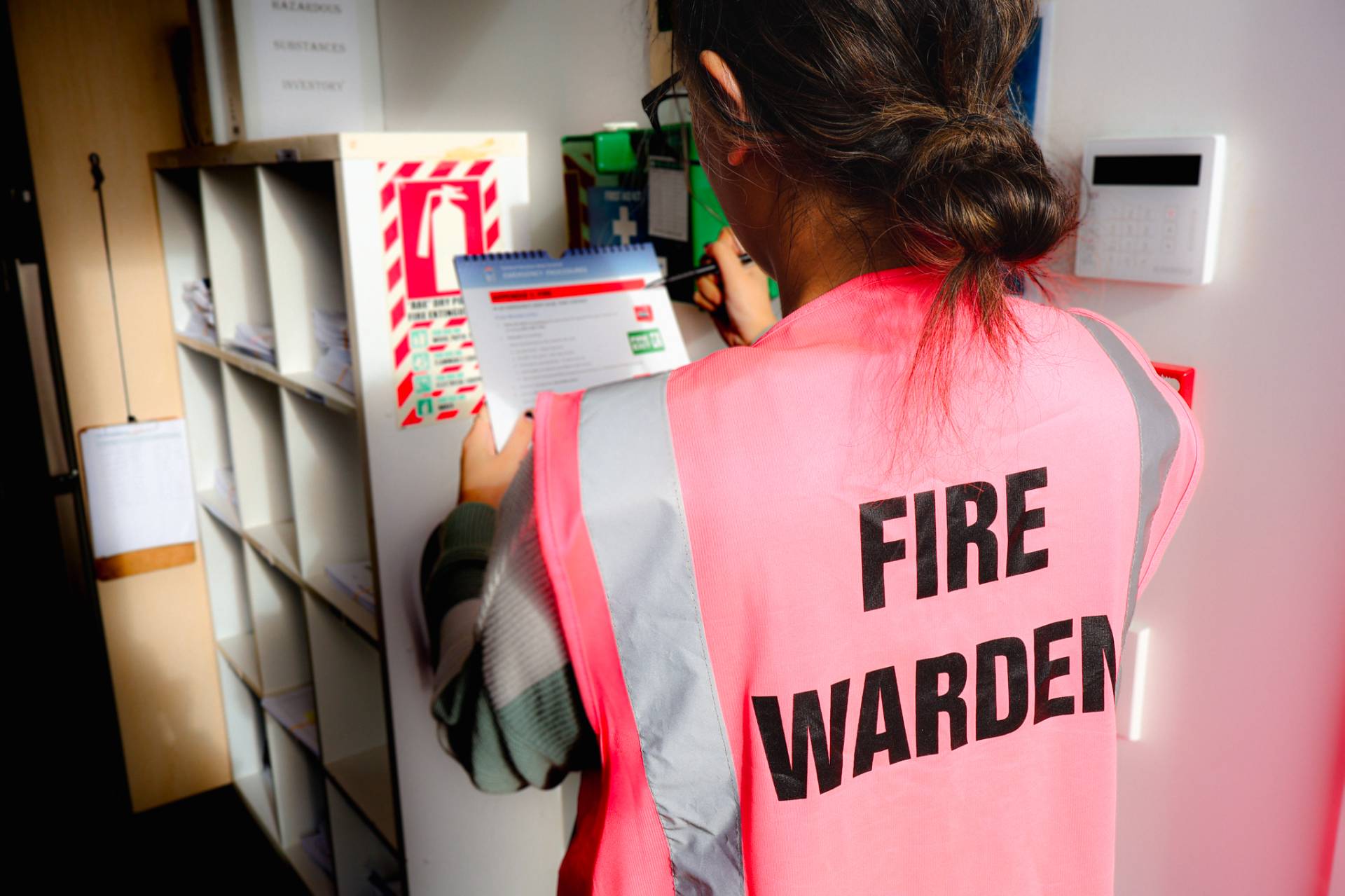
At 10:43 a.m. a smoke alarm triggers in the battery billing area. The local floor warden hears the sharp on the radio, orders the red warden hat, and transfers to the zone with an additional warden to perform a fast move. They guide staff to the closest departure, overview a forklift chauffeur to park and eliminate the secret, and shut the charging room door without entering. They report to the chief warden that the zone is leaving and that one contractor is unaccounted for.
The chief warden, wearing the white headgear, checks the panel, confirms the zone, and asks the interactions police officer to call 000 and wait for guidelines. They send a deputy to the contractor sign-in point to identify that is missing and what profession they are. They choose to leave the adjacent area as a precaution and instruct the front entrance to hold deliveries off-site. When firemans show up, the chief warden briefs them: resource zone, door standing, emptying progression, and the missing specialist information. They turn over the occurrence log and comply with the firemans' direction while maintaining oversight of the setting up location headcount.
Everything the wardens did matched PUAFER005 training. Every little thing the chief did matched PUAFER006. The difference is not comfort with radios or doors. It is the decision making at each fork, and the interaction in between roles.
Where PUAFER005 and PUAFER006 overlap
The overlap is purposeful. Both include a refresher course on dangers, alarm system types, and the emergency plan. Both include interaction methods, since common language lowers complication. Both consist of the principles of safety: do not put on your own at risk to repair an issue that comes from professionals. Both likewise emphasise document keeping, though in PUAFER005 it is restricted to simple records and handing info to the chief warden, while in PUAFER006 it reaches full incident documentation and debriefs.
Some companies plan PUAFER005 and PUAFER006 together for groups. It is not uncommon for a small site to train 5 or six individuals in PUAFER005, and 2 in PUAFER006, producing insurance coverage across changes. In a large precinct, protection staff might all hold PUAFER006 since they lead out-of-hours incidents, with lessee wardens holding PUAFER005.
Choosing the appropriate training course for your duty and site
Mistakes normally run in one of two instructions. Firms choose a well-liked team member as chief warden without giving them PUAFER006, which leaves them feeling underprepared the first time they face a panel mistake that ends up being a genuine fire. Or companies send out everybody to PUAFER006 thinking extra senior-sounding training is much better. That wastes cash and creates sound, because not everyone needs to exercise leading. Most people require to practice executing.

Start with the plan. Map your ECO against your operating hours. Identify who will certainly get on site when professionals work after hours, and that lugs authority on weekends. Align training to that reality. If the website manager gets on leave, that holds the white hat? If your retail centre runs pop-up events, that leads if an entertainer triggers a smoke equipment under a beam of light detector? If your workplace is hybrid, who is continually existing to sweep each flooring? Work in reverse from those questions.
If you are a solitary place with a secure group, splitting your group into wardens on PUAFER005 and a smaller core on PUAFER006 normally covers it. If you handle multiple sites or risky areas, invest deeper: chief fire warden training for responsibility managers and security managers, and a broader base of emergency warden training for frontline staff.
Training shipment, assessment, and practical practice
A well-run PUAFER005 course utilizes your real discharge diagrams and imitates your building's noisiest fact. If your stairwell narrows at level three, the circumstance must make wardens problem-solve that canal. If you have multilingual personnel, technique radio phrases that are clear and straightforward. Great instructors do not just teach teaching. They rehearse the exact rubbing points you will face.
A solid PUAFER006 course sets up competing top priorities and incomplete information. It ought to include a radio self-control workout where the chief warden has to cut through chatter and designate channels. It needs to consist of a decision point where safeguarding in place is more secure than leaving, such as a smoke occasion on a hot day when leaving to a car park produces a warm tension threat. It should consist of a handover to emergency situation services within 2 minutes, because time disappears when alarms are sounding.
Assessment is sensible for both training courses. Anticipate scenario-based tasks, brief expertise checks, and an assessment of your communication. The very best value originates from a debrief that surfaces what went well and what needs work. If your team leaves with a to-do list, like updating the service provider sign-in process or transferring a warden kit, you got your cash's worth.
Fire warden training demands and refresh cycles
Standards and WHS regulations do not prescribe a single nationwide refresh interval, however usual method is to revitalize PUAFER005 every two years and PUAFER006 every 2 to 3 years, with at the very least one discharge drill each year for each structure or tenancy. Risky websites may drill quarterly. If your labor force turns over promptly, roll brand-new starters into a warden course within their initial few months.
Record your drills, consisting of times to evacuate and headcount settlement. If your emptying time slides from 6 minutes to 9 over a year, check out. Maybe a door more detailed is sticking, or a new design developed a blind edge. Your chief warden responsibilities include identifying these patterns and bringing them to the Emergency Situation Preparation Board with propositions to repair them.
Gear, radios, and straightforward upgrades that pay off
Training prepares individuals, but small devices choices minimize rubbing. Radios that really operate in stairwells are worth the budget. Label your networks simply. Maintain warden vests or hats with radios in plainly authorized cupboards on each flooring. Put a laminated quick-reference card inside each set with easy motivates: panel area, emergency numbers, setting up locations, and the radio phone call indications for chief, communications, and wardens. The most effective chief warden hat colour or design does nothing if the hat sits in a secured cupboard nobody can access after hours.
If you run a campus or huge center, take into consideration a specialized warden network separate from basic operations. During one drill at a health center, a kitchen area delivery telephone call swamped the radio while the chief fire warden tried to validate an all-clear. That is not the kitchen's fault, it is a channel plan issue.
Common concerns responded to plainly
What colour helmet does a chief warden use? White. Keep it regular and noticeable, whether you use a safety helmet or a vest.
Do I need PUAFER006 to be a deputy chief warden? Yes. Deputies may lead at any time. If you are a deputy on paper just, that void will turn up when the principal is off-site.
Can a small workplace get by with simply PUAFER005? Potentially, if your structure administration supplies a chief warden for the whole facility. Several multi-tenant structures run in this manner. Because instance, your tenancy selects wardens and an organizer who liaises with the building's chief warden. Ask structure monitoring regarding their expectations.

Does a chief fire warden course cover bomb threats and safety and security cases? Experienced PUAFER006 training addresses a series of emergency situations past fires, including bomb dangers, questionable bundles, and individual dangers. It will certainly not turn you right into protection, yet it will certainly give you a structure to lead safely until experts take over.
Are there clinical prerequisites? Both systems require you to move safely and connect. If you have mobility limitations, review your role with your EPC. Lots of websites use buddy systems and assign roles that fit different capabilities.
Pitfalls that training can fix
I have actually seen wardens search alone because they believed it was efficient. It is not. Pair up, move methodically, and mark got rid of locations. I have seen chiefs await assurance from the panel while smoke thickened in a basement. Early, traditional decisions save time. I have actually seen wardens argue with an employee who did not wish to leave during a drill. The much better approach: acknowledge, do not intensify, and intensify to the principal for a calculated reaction. Training provides you scripts and habits that keep things moving.
Another common problem is missing service providers. Your fire warden requirements in the workplace should consist of a professional administration process that connects right into evacuation head counts. If you depend on the memory of a site manager, you will certainly lose minutes. A basic sign-in linked to a warden's clipboard conserves them.
How to extent your following training session
Before booking a PUAFER005 course or a PUAFER006 course, walk your site with the trainer or share accurate diagrams. Point out recognized headaches like locked inter-tenancy doors, areas under repair, and the most typical after-hours tasks. If your team has had near misses, share them. Ask the fitness instructor to tailor circumstances. Off-the-shelf material is a starting point, not an endpoint.
For blended groups across multiple structures, take into consideration a split day: early morning PUAFER005 for wardens, afternoon PUAFER006 for leaders, with a mixed drill at the end to bring the assemble. The drill will reveal radio etiquette concerns and handover voids faster than any kind of classroom slide.
Bottom line: match the training course to the responsibility
If your work is to relocate people, check areas, and report up, enlist in PUAFER005 Operate as part of an emergency control organisation. If your job is to make the telephone call, coordinate, and possess the outcome, sign up in PUAFER006 Lead an emergency control organisation. A lot of specialists hold both, because professions advance and lineups change. The chief warden requirements are much heavier, yet the contentment of a tidy, tranquil evacuation is real. When the fire warden course repays, you will feel it in the quiet self-confidence of a group that recognizes the plan and counts on the individual in the white hat.
Take your leadership in workplace safety to the next level with the nationally recognised PUAFER006 Chief Warden Training. Designed for Chief and Deputy Fire Wardens, this face-to-face 3-hour course teaches critical skills: coordinating evacuations, leading a warden team, making decisions under pressure, and liaising with emergency services. Course cost is generally AUD $130 per person for public sessions. Held in multiple locations including Brisbane CBD (Queen Street), North Hobart, Adelaide, and more across Queensland such as Gold Coast, Sunshine Coast, Toowoomba, Cairns, Ipswich, Logan, Chermside, etc.
If you’ve been appointed as a Chief or Deputy Fire Warden at your workplace, the PUAFER006 – Chief Warden Training is designed to give you the confidence and skills to take charge when it matters most. This nationally accredited course goes beyond the basics of emergency response, teaching you how to coordinate evacuations, lead and direct your warden team, make quick decisions under pressure, and effectively communicate with emergency services. Delivered face-to-face in just 3 hours, the training is practical, engaging, and focused on real-world workplace scenarios. You’ll walk away knowing exactly what to do when an emergency unfolds—and you’ll receive your certificate the same day you complete the course. With training available across Australia—including Brisbane CBD (Queen Street), North Hobart, Adelaide, Gold Coast, Sunshine Coast, Toowoomba, Cairns, Ipswich, Logan, Chermside and more—it’s easy to find a location near you. At just $130 per person, this course is an affordable way to make sure your workplace is compliant with safety requirements while also giving you peace of mind that you can step up and lead when it counts.