Introduction
When it concerns conserving lives, few abilities are as vital as Cardiopulmonary Resuscitation (MOUTH-TO-MOUTH RESUSCITATION). Whether you're a spectator or a trained doctor, knowing exactly how to properly perform CPR can suggest the distinction in between life and death. One element that often produces discussion among doctor and laypersons alike is the slow compression rate during CPR. This article digs deep right into the nuances of mouth-to-mouth resuscitation, exploring exactly how a slow-moving compression price can be balanced with reliable lifesaving techniques.
In this extensive guide, we'll cover every little thing from basic vs advanced life support to the methods associated with public defibrillator use. We'll likewise check out topics such as checking responsiveness, recognizing no breathing, and keeping composure during an emergency. By the end of this article, you'll have a robust understanding of mouth-to-mouth resuscitation and its various components, making you much better prepared to act when it counts.
Slow Compression Price: Locating the Right Equilibrium in CPR
Understanding the proper compression price is crucial for efficient CPR. The American Heart Organization (AHA) recommends a compression price of 100-120 compressions per minute for grownups and youngsters. Nevertheless, some specialists argue that in certain scenarios-- especially when adrenaline is high-- a slower compression rate might really enhance blood circulation.
Understanding Compression Rates
Compression rates refer to how rapidly upper body compressions are provided during mouth-to-mouth resuscitation. The ideal balance is important; also quickly can cause inefficient blood circulation, while too sluggish might not create sufficient pressure to maintain important organs.

Why Slow Compression Rates?
While most standards promote for fast compressions, there are situations where a slower strategy might be necessitated:
Fatigue: When rescuers wear down quickly. Precision Over Speed: Guaranteeing each compression works could necessitate slowing down. Rescuer Coordination: Taking turns on compressions often needs changes that can result in recurring sluggish rates.Basic vs Advanced Life Support
The difference in between standard and sophisticated life assistance can considerably affect your strategy to carrying out CPR.
Basic Life Assistance (BLS)
BLS entails crucial techniques like chest compressions and rescue breaths targeted at sustaining life till specialist help arrives:
- Checking responsiveness Identifying no breathing Maintaining calmness during emergencies
Advanced Life Support (ALS)
ALS consists of extra innovative clinical first aid courses for childcare treatments delivered by skilled health care experts:
- Use of medications Advanced airway management Monitoring important signs
Understanding these distinctions will aid you understand when and just how to use numerous techniques effectively.
Checking Responsiveness: The Initial Step
Before delving into mouth-to-mouth resuscitation, checking responsiveness is essential for assessing whether a private calls for instant help. An easy technique is:
Gently tap the person's shoulder and yell loudly. Look for any type of signs of activity or verbal response.If they don't respond, wage checking their breathing.
Identifying No Breathing: A Secret Indicator
Identifying no breathing or irregular breathing patterns is vital for determining whether CPR is required:
Look for breast rise. Listen for breath sounds. Feel for breath on your cheek.If there's no regular breathing after 10 secs, start upper body compressions immediately.

Public Defibrillator Use: An Important Tool
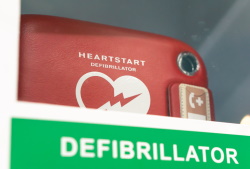
training in first aid for childcarePublic Accessibility Defibrillators (PADs) conserve lives by bring back heart rhythm throughout cardiac arrest circumstances:
- Familiarize on your own with their place in public spaces. Follow voice motivates supplied by AEDs; they are designed to assist you via each step.
Using an AED alongside slow-moving compression prices can dramatically increase survival chances.
BLS Certification: Equipping You with Knowledge
Obtaining BLS certification outfits people with vital lifesaving skills:
Learn proper strategies for adult, child, and baby resuscitation. Understand healthcare facility codes and methods related to heart attack situations.Having this knowledge can instill confidence when confronted with real-life emergencies.
Taking Activates Compressions: Preventing Fatigue
When doing CPR alone can result in tiredness extremely promptly; therefore taking turns with another rescuer ends up being crucial:
- Switch every two mins or when fatigued. Ensure smooth shifts without stopping compressions.
This practice assists keep hltaid012 online learning sufficient blood circulation throughout the duration of the emergency situation.
Lower Compression Deepness: When Is It Acceptable?
Typically, the suggested depth for adult compressions has to do with 2 inches (5 centimeters). Nonetheless, certain scenarios might require reduced midsts:
Very little adults or teenagers might require adjustments based upon body type. Situations including pregnant females may also need changed methods for safety reasons.
Always focus on effective compressions over adhering strictly to depth metrics if scenarios call for it.
Maintaining Composure Under Difficult Circumstances
Composure during emergency situations can not be overstated:
- Take deep breaths before responding. Focus on your training instead of panicking.
Keeping calmness allows you to assume clearly and execute strategies more effectively throughout high-pressure circumstances like cardiac arrest events.
FAQs
What should I do if I see someone collapse?
Immediately check responsiveness by calling their name or touching their shoulder gently; if less competent and not breathing usually within 10 seconds, call emergency services and start mouth-to-mouth resuscitation immediately.
How do I recognize if my compressions are effective?
Look for visible indicators of blood circulation; if their chest increases noticeably after each compression or you really feel a pulse return quickly after beginning CPR-- these are good indicators!
Are there any kind of age-specific factors to consider in CPR?
Yes! Changes must be made based on age; babies call for gentle taps while toddlers need lighter pressure contrasted to adults that benefit from deeper compressions up to 2 inches in depth.
What occurs if I make errors while carrying out CPR?
Even incomplete efforts at mouth-to-mouth resuscitation are far better than not doing anything at all! Comply with the fundamental steps diligently-- emergency responders will certainly take control of when they show up but your intervention can conserve a life!
How does using an AED match my CPR efforts?
An Automated External Defibrillator need to be made use of as soon as it's available-- follow its triggers thoroughly while proceeding upper body compressions up until triggered otherwise by the device itself!
Why needs to I pursue BLS certification?
BLS accreditation supplies very useful skills that empower individuals not just properly but personally-- it prepares you both psychologically and physically for emergency situations so you can act decisively!
Conclusion
Finding the ideal balance in between rate and efficiency in carrying out CPR really affects outcomes in emergency situations including cardiac arrest sufferers. From understanding basic vs advanced life assistance principles via inspecting responsiveness all while mastering public defibrillator usage-- it's clear that education and learning plays a substantial function in equipping people with lifesaving abilities necessary today especially before! Taking these elements into account together with recognizing when slower compression prices might prove useful makes certain that everyone-- from laymans to healthcare experts-- can with confidence participate in acts of heroism no matter condition!
By embracing expertise around these principles-- and getting qualifications-- we're all qualified factors towards building much safer communities equipped against unpredicted emergencies waiting just around our edges! So get ready people-- the next time somebody requires aid-- you'll know specifically what steps must be taken!